Article • November 15, 2024
Clean Code in Practice: Developing Maarch Software
This article has been viewed 28 times

Introduction
Clean code is essential for ensuring the longevity, quality, and ease of evolution of software. What is Clean Code, what benefits does it bring, and what concrete examples and practices make it applicable and accessible?
Well-structured, readable code not only makes developers’ jobs easier, but also optimizes resources, reduces errors, and speeds up the rollout of new features.
What is clean code?
Clean Code is code that is structured, understandable, and free of unnecessary complexity. It is organized so that it can be read and maintained by other developers — or by yourself several months later — with minimal effort.
Clean code is also scalable and reusable, as it follows simple rules that make it easier to adapt and extend over time.
It rests on several basic principles:
- Simplicity: Each part of the code addresses a single, well-defined responsibility.
- Readability: The code is understandable without needing excessive explanation.
- Maintainability: It is easy to fix, adapt, and optimize.
- Modularity: The code is broken down into independent, reusable parts.
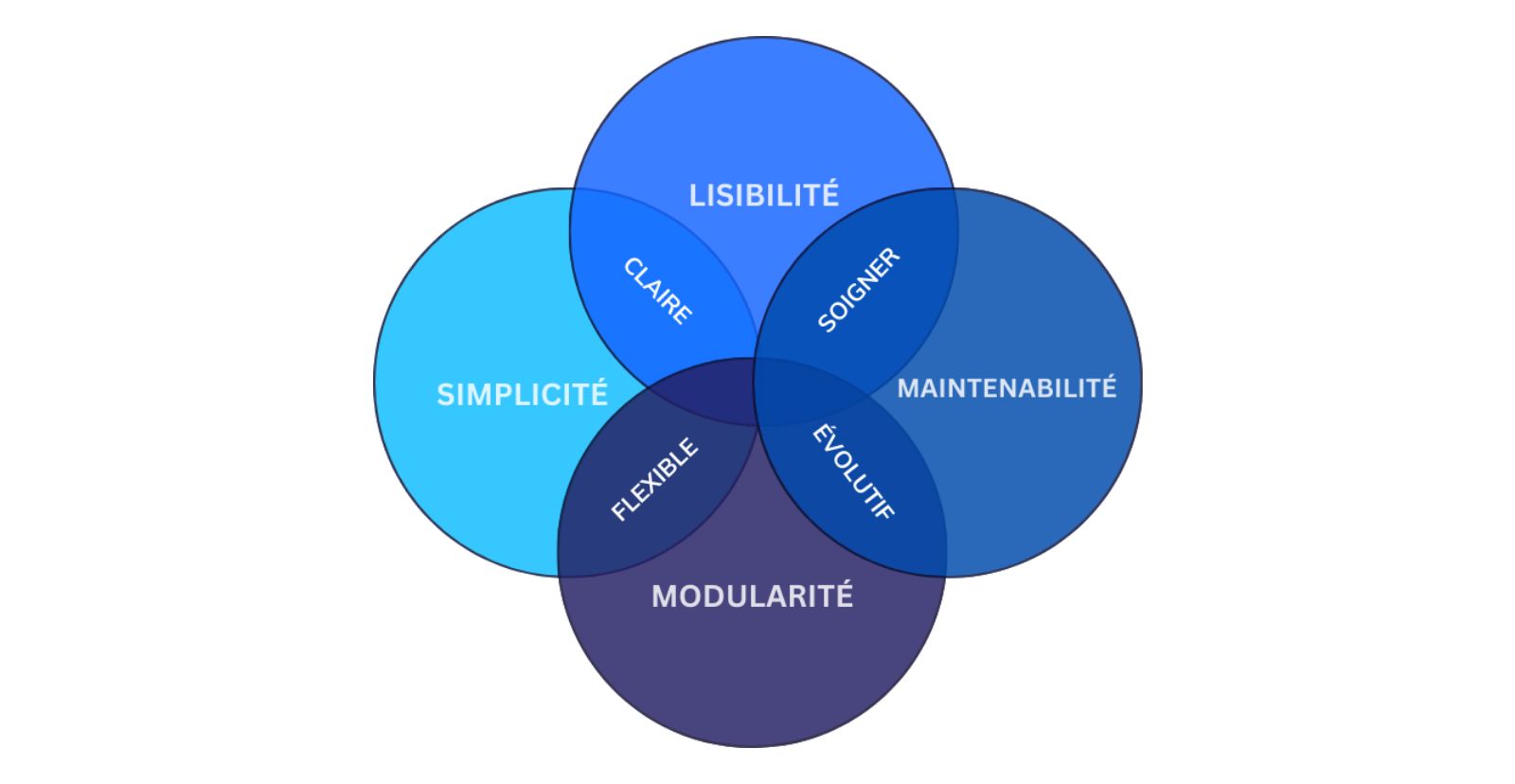
Diagram of the Clean Code concept
As open-source solutions, Maarch’s software adheres to Clean Code principles to keep its source code accessible and modular.
The benefits of clean code
The benefits of clean code go far beyond aesthetics. They are crucial to the success of a software project.
1️⃣ Increased maintainability
Maintainability is one of the most important benefits of Clean Code. When code is well-structured and easy to understand, it’s much simpler to come back to it later to fix or update it.
According to a study from Carnegie Mellon University, companies that invest in the maintainability of their code reduce the time spent on maintenance by 30 to 50%, resulting in significant cost savings.
In practice, this means fewer bugs, faster fixes, and a greater ability to evolve the code without breaking it.
2️⃣ Reusability
Clean code promotes reusability, since each function or module is independent and designed to perform a specific task. In a context where multiple applications or versions of a product are being developed, reusability becomes a strategic asset.
3️⃣ Scalability and adaptability
Well-written, well-structured code is easy to evolve. As requirements change, clean code is flexible enough to allow new features to be added without disrupting what’s already there.
4️⃣ Easier collaboration
Well-documented Clean Code makes collaboration within development teams easier. In large companies like Microsoft, where multiple teams work on shared projects, standardized, readable, and well-organized code allows developers to quickly understand each other’s contributions. Collaboration is then easier, even in the event of turnover.
Best practices for clean code
Clean code doesn’t depend solely on individual skill — it relies on best practices that are recognized and proven by everyone.
1️⃣ Code organization
Clear architecture: adopt a well-defined architecture, such as DDD (Domain Driven Design) or hexagonal architecture, a more recent approach used for the design of products such as Maarch Digital Flow.
This architecture allows for better management of segments such as folders, documents, users, etc.
This architecture also enables two things: on the one hand, a separation between business logic code and code that “interacts” with the outside world, and on the other hand, faster and simpler completion of tests for all business logic code.
Note that the entire Maarch Digital Flow solution is built around this hexagonal structure.
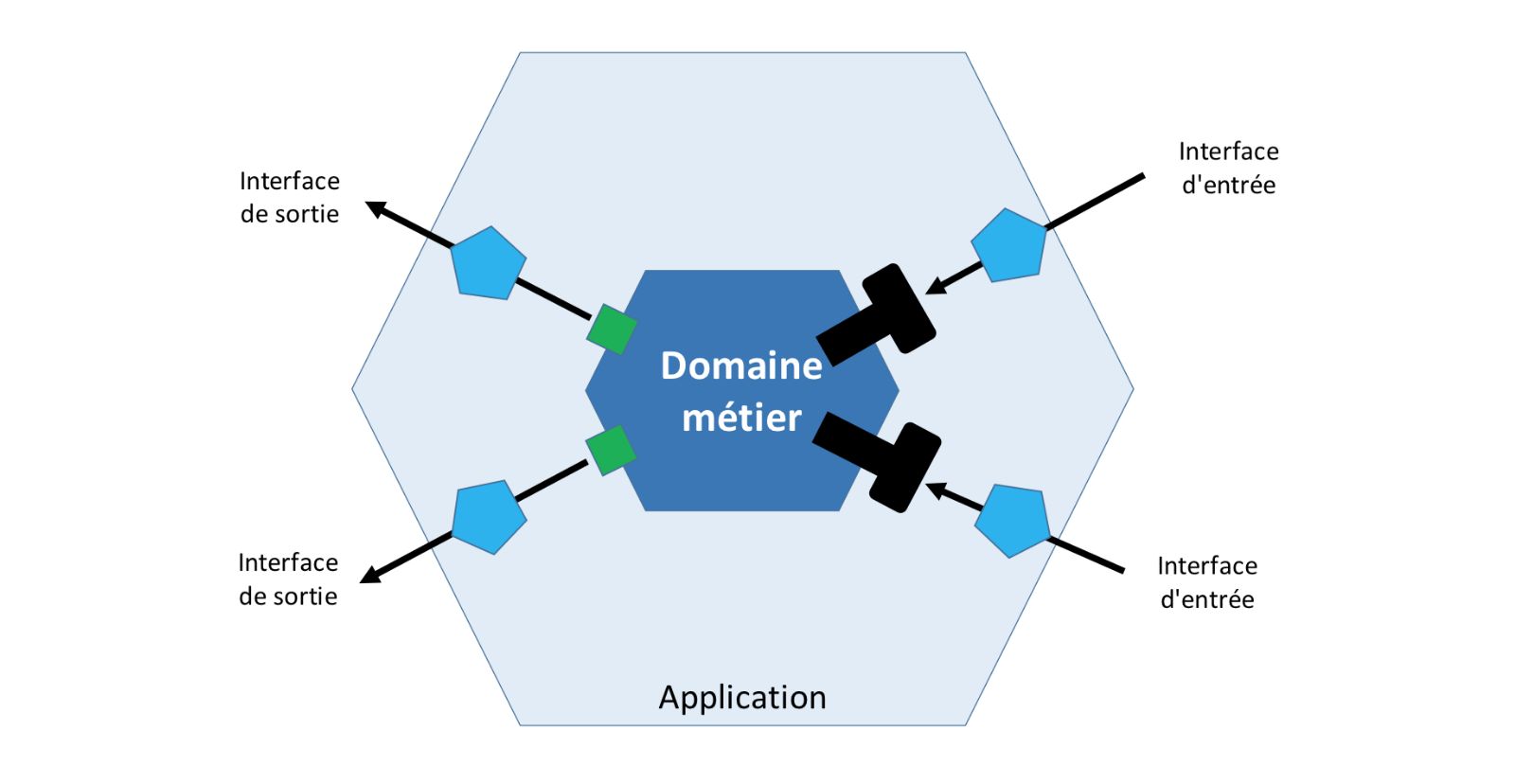
Example of a hexagonal structure
Modularity: Break functions and classes down into small modules, so that each one is responsible for a specific task.
Logical folder structure: Organize files and folders consistently to make navigation and reading easier.
2️⃣ Naming variables and functions clearly
Use explicit names: Variable and function names should be clear and precisely describe their purpose (for example, “Total Price” is more explicit than “tp”).
Avoid abbreviations: Abbreviations can be misleading and make code incomprehensible. Favor full, meaningful names. The same applies to naming in test scenarios.
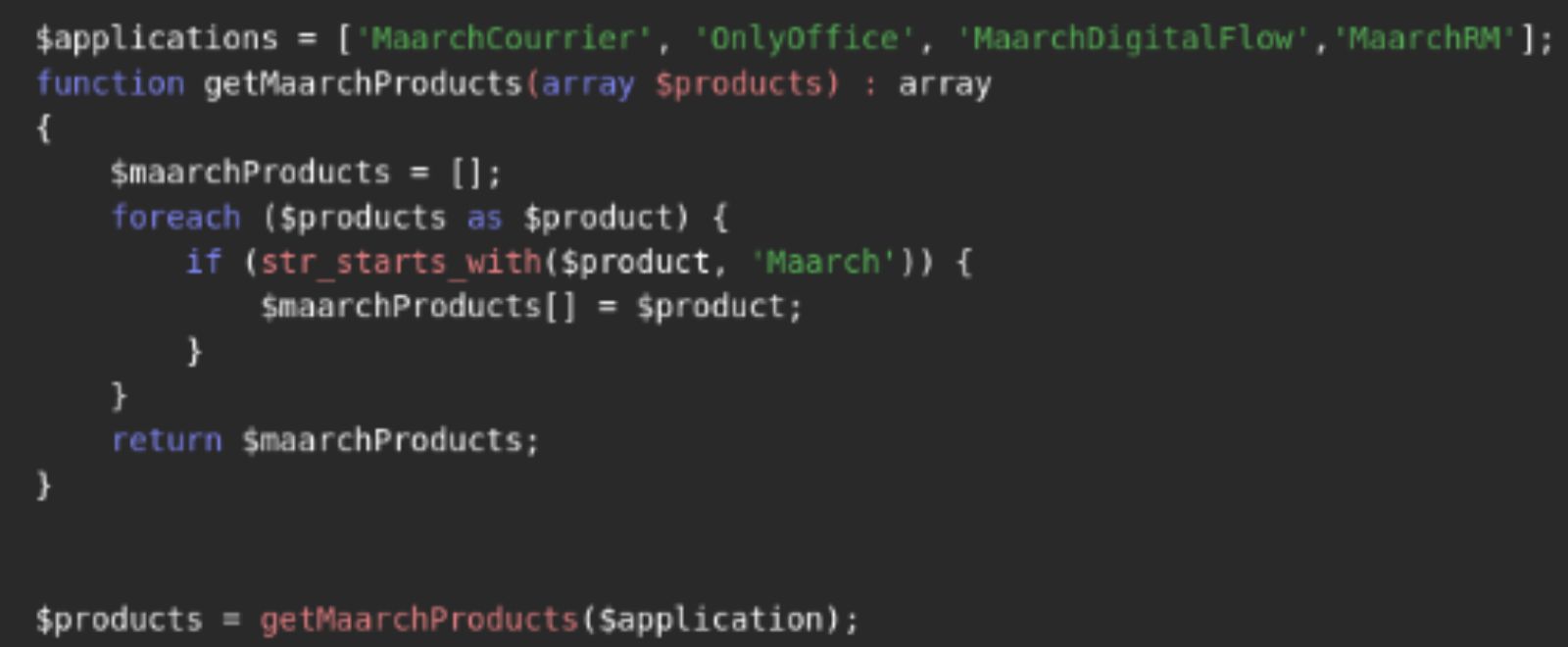
Illustration of a clearly exposed variable and function.
3️⃣ Comments and documentation
Concise comments: Comments on a test or piece of code should be concise, informative, and explain why the code does what it does. Clean code is self-explanatory.
Function documentation: Document each function, specifying its parameters, purpose, and any exceptions it may raise.
4️⃣ Debugging and testing techniques
There are several types of tests essential to ensuring code quality and reliability.
Automated tests:
- Unit test: a unit test checks each function or component individually to ensure it works correctly by isolating its specific functionality. For example, in a messaging application, a unit test would check that a data-formatting function returns the expected format. These tests should be put in place from the earliest stages of the project to ensure code quality throughout development.
- Functional test: a functional test evaluates complete features of the application by checking that each component works as expected in interaction with others. For example, in a document management platform like MDF, a functional test might check that a user can upload, view, and share a document end to end, simulating a real-world use case.
Iterative coding with TDD (Test-Driven Development) :
The TDD method involves designing a test for each use case even before writing the corresponding code.
This pushes developers to write more structured, maintainable code, since each function is tied to a specific, explicitly named test.
For example, if a sorting function is created, a test will be written beforehand to ensure it correctly sorts a given list. This approach makes it easier for team members to understand, spot, and interpret each test.
Tools such as Jenkins, GitLab, as well as code analysis solutions like SonarQube, make code more maintainable and reusable while ensuring its scalability.
At Maarch, our teams follow strict testing protocols: every developer must verify that all tests associated with their code pass before pushing it to the final version. This ensures that every new version of the code is stable, robust, and meets the required quality standards.
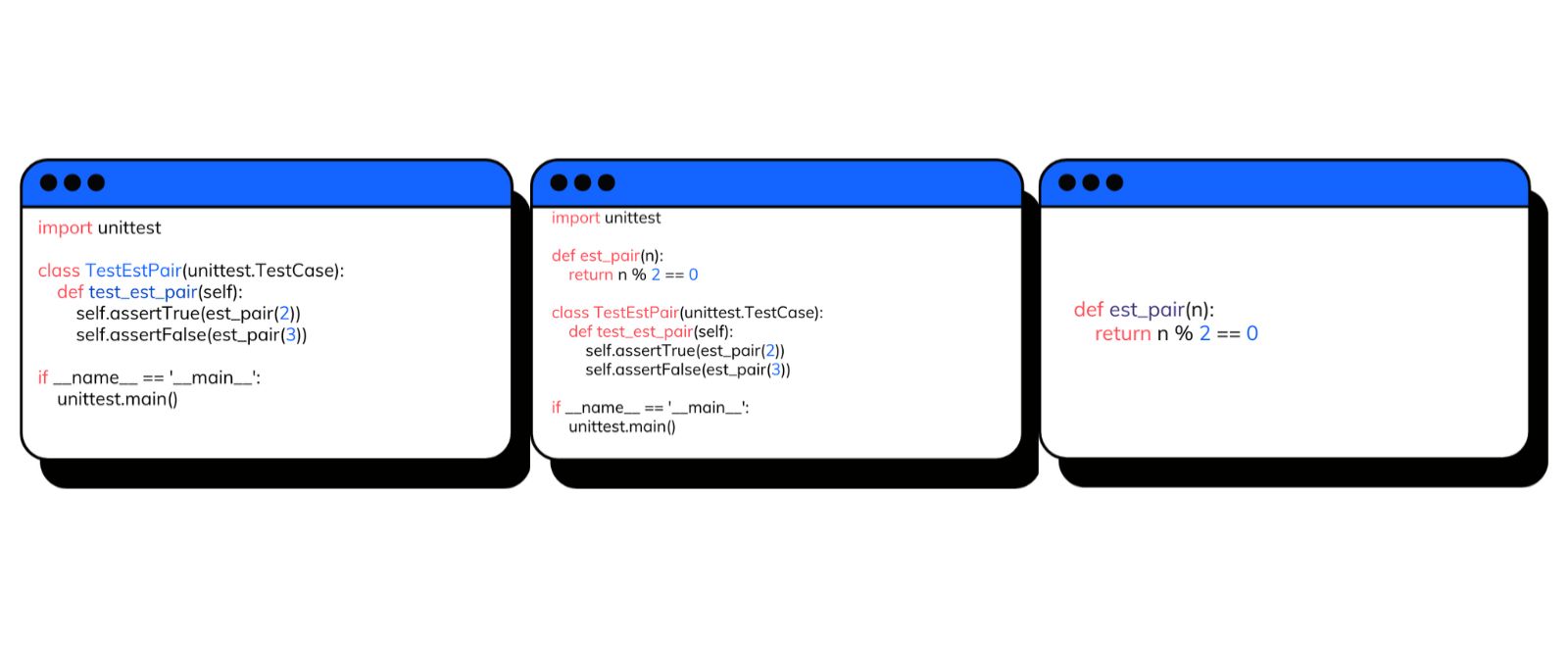
Illustration of the TDD method
Regular refactoring: refactoring (reorganizing code without changing its behavior) makes it possible to simplify code without altering its functionality. Martin Fowler, a pioneer in the field, recommends frequent refactoring to avoid the buildup of technical debt.
Practical tips and strategies to improve code readability and maintainability
1️⃣ Simplify code as much as possible:
Avoid excessive complexity. Use simple, logical code structures such as the KISS (Keep It Simple Stupid) method.
2️⃣ Follow coding conventions:
Use language-specific conventions (camelCase in JavaScript, for example). There are many coding conventions, such as the PSR12 convention in PHP, which checks that developers properly follow this PHP standard.
It’s important to follow the application’s coding rules, and some of these rules can be checked automatically.
At Maarch, this is a method used throughout the writing of code.
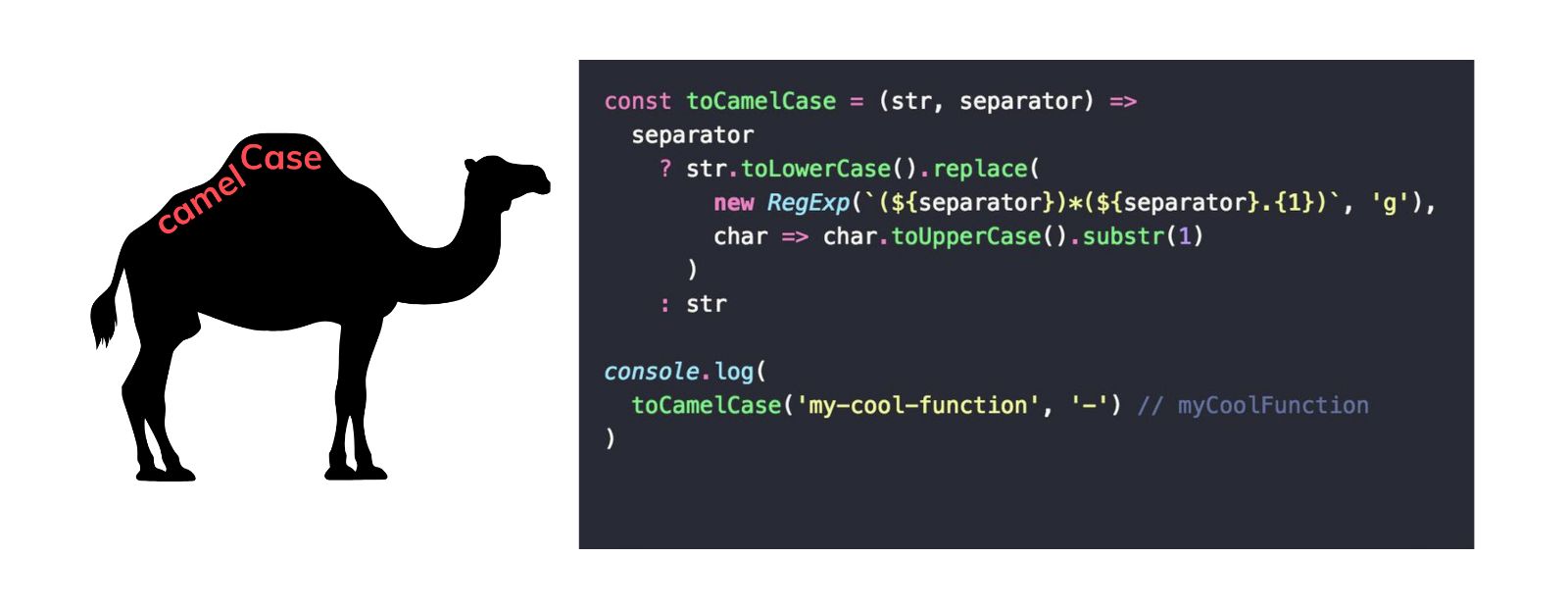
Illustration of camelCase in JavaScript
3️⃣ Avoid redundant code:
If similar code is repeated several times, consider factoring it into a shared function; methods such as DRY (Don’t Repeat Yourself) are often used.
4️⃣ Pay attention to dependencies:
Use the dependency injection principle to keep code flexible and allow modules to be tested in isolation.
5️⃣ Review the code:
Take the time to review and correct code before merging it into the main project. This practice is used systematically at Maarch, ensuring the quality of both components and code.
Conclusion
Clean Code is an essential component of modern software development, offering considerable benefits in terms of maintainability, reusability, and scalability. While it requires an initial effort and ongoing discipline, the gains in productivity, quality, and customer satisfaction are invaluable.
Adopting clean code principles has a direct, positive impact on the performance of their services and on user satisfaction.
By following best practices and building clean code in from the start of a project, developers can not only make their own work easier, but also lay the foundations for durable, scalable software.
It is therefore only natural that these principles are put into practice within Maarch’s R&D team.
Dive deeper into the Maarch ecosystem







Choose the open-source reference
More than 100,000 users already trust us!